Yamaha XSR 155: The Stylish Retro Machine Worth Buying
Discover the expected Yamaha XSR 155 India price, specifications, features & launch timeline. Get expert insights, comparisons, and why it’s worth waiting for.
Yamaha XSR 155 India Launch – Complete Guide (Specs, Price, Features & Why It Matters)
Are you waiting for the upcoming launch of the Yamaha XSR 155 in India with bated breath? You’re not alone. This retro-modern 155cc motorcycle has generated massive buzz among bike enthusiasts and commuters alike. In this comprehensive guide, we delve deep into everything — from expected price and launch timeframe to technical specifications, feature set, pros & cons, and whether the XSR 155 stands out enough in the crowded 150–160cc segment to be worth your wait.
What is Yamaha XSR 155? A Comprehensive Overview
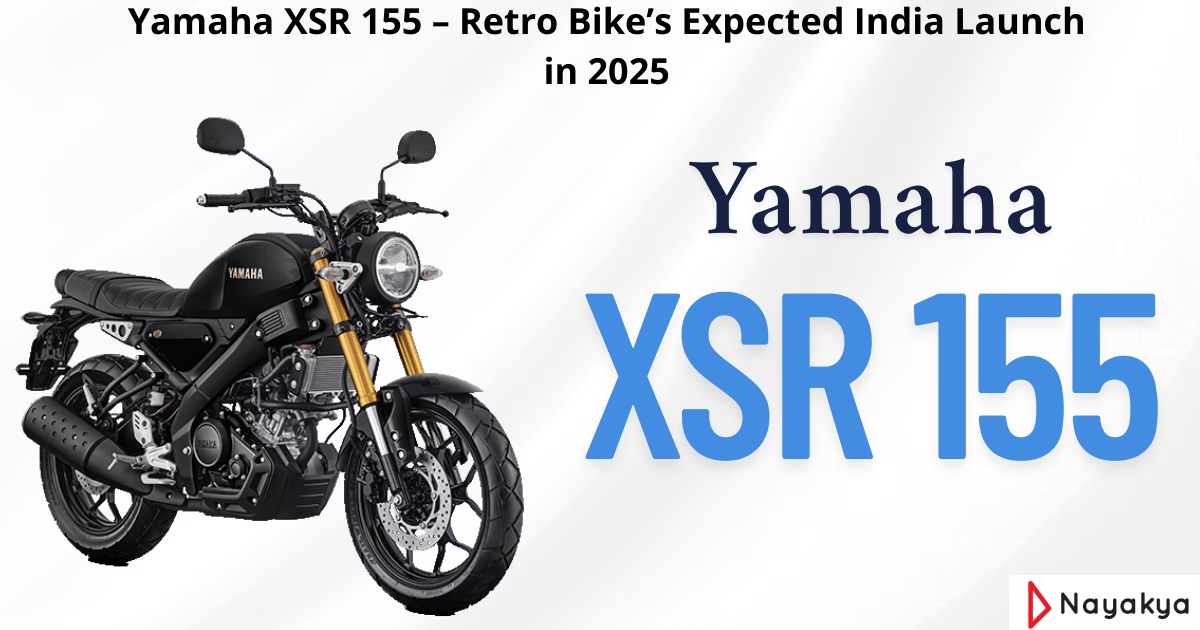
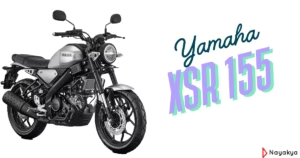
The Yamaha XSR 155 is a retro-modern motorcycle — a perfect blend of classic design cues and modern performance. Created by Yamaha, this model represents the brand’s “Sport Heritage” vision: nostalgic styling, contemporary underpinnings, and compact displacement suitable for urban as well as weekend riding. Initially launched in select Southeast Asian markets like Indonesia and Thailand, the XSR 155 has carved a niche among riders seeking a blend of style, agility, and practicality.
Unlike full-blown retro classics that pack larger engines and heavier frames, XSR 155 keeps things light, manageable, and commuter-friendly — a recipe that could work very well in Indian conditions where traffic, fuel efficiency, and ease of maneuvering matter.
Why is there growing excitement in India? Because a 150–160cc retro-modern motorcycle by Yamaha could fill a unique pocket — appealing to young professionals, style-conscious riders, and those who want a fun weekend ride without sacrificing city utility.
Why XSR 155 Matters for Indian Riders
1. Fresh Retro Style in a Saturated Segment
In India’s 150–160 cc segment, many bikes follow the commuter or sporty street-bike template (naked street, commuter commuter, or sporty fairing). The XSR 155 stands out with a retro-modern aesthetic: round headlamp, classic tank shape, minimalistic tail-end — a look seldom offered at this displacement.
Yamaha’s attempt to bring heritage styling to a practical engine size bridges the gap between “style-conscious premium riders” and “everyday practicality”.
2. Light Weight + Balanced Performance
Traditional retro or cafe-style motorcycles often lag in usability for daily commuting due to heavy weight and high maintenance costs. XSR 155, by contrast, uses a compact 155 cc engine (more on this below), making it easier to handle in traffic and more fuel-efficient — a compelling proposition for Indian roads.
3. A Breath of Fresh Air in 155 cc Market
Many 155 cc bikes focus purely on performance or commuting. A retro-modern “lifestyle” bike in this segment is rare. Launching XSR 155 in India opens up a new sub-category: lifestyle + practicality + manageable displacement — potentially reshaping how 150–160 cc bikes are perceived here.
Expected Yamaha XSR 155 India Price & Launch Timeline
While Yamaha India has not officially announced the XSR 155, multiple credible sources and industry analysts suggest a possible launch in late 2025 to early 2026, subject to homologation, local regulations, and market readiness.
🔹 Expected Price Range
| Model | Expected Ex-Showroom Price (India) |
|---|---|
| Yamaha XSR 155 (Base / Standard) | ₹1.50 lakh – ₹1.65 lakh |
| Yamaha XSR 155 (Premium / Variant with Extras) | ₹1.70 lakh – ₹1.85 lakh |
🔹 Why This Price Range?
-
The base engine and frame of XSR 155 remain similar to the XSR 155 sold in Southeast Asia.
-
When adjusted for Indian cost structures, homologation, and localisation, manufacturing costs tend to rise but not significantly — allowing Yamaha to price it competitively around ₹1.5–1.8 lakh.
-
This places XSR 155 in the premium-commuter / entry-premium lifestyle segment, below heavy retro bikes but above regular commuter motorcycles.
🔹 What to Watch For Before Launch
-
Official confirmation via a Yamaha India press release or sneak-peaks at auto expos (e.g., Auto Expo 2025).
-
Specifications for Indian version (e.g., whether ABS will be offered, whether engine tuning is identical, tyre size, emission compliance).
-
Possible colour variants and variant-level differentiators (disc vs drum, optional accessories).
Yamaha XSR 155 Specifications – What to Expect
Although the Indian version of XSR 155 isn’t officially confirmed, we can reasonably forecast expected specs based on the global model and industry insiders. Here’s a close-to-actual estimate.
Engine & Performance
-
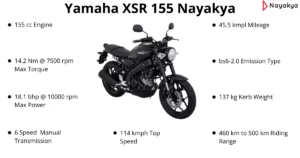
Engine Type: 155 cc, single-cylinder, liquid-cooled, SOHC, 4-valve
-
Power Output: ~ 19.3 PS @ 10,000 rpm (as seen in ASEAN model)
-
Torque: ~ 14.7 Nm @ 8,500 rpm
-
Transmission: 6-speed gearbox
-
Fuel System: Fuel injection (FI)
-
Clutch: Wet-type, multi-plate
-
Emission Compliance: Likely to meet BS6+ / upcoming BS7 norms (assuming localisation and updates)
What This Means for Indian Riders:
19–20 HP in a 155cc package is more than adequate for city commuting, occasional highway runs, and spirited weekend rides. The 6-speed gearbox should help maintain both performance and fuel efficiency.

Chassis, Suspension & Brakes
-
Frame: Diamond-type steel frame (lightweight yet stable)
-
Front Suspension: Telescopic forks (or USD forks in premium variant) — depending on Yamaha’s choice for Indian spec
-
Rear Suspension: Monoshock (link-type) — ideal for comfort and stability
-
Brakes: Disc brake (front), Drum or Disc at rear — possibly with dual-channel ABS on premium trim
-
Wheel & Tyres: 17-inch alloy wheels; tubeless tyres
This setup promises a fine balance: agile handling for city traffic, stable ride for longer rides, and braking confidence, especially if ABS is offered.
Dimensions, Comfort & Ergonomics
-
Seat Height: ~ 800–810 mm — manageable for most Indian riders
-
Kerb Weight: ~ 135–138 kg (as per global spec) — relatively light, making it easier for urban use
-
Fuel Tank Capacity: ~ 10–11 liters — compact but decent for city use and short rides
-
Riding Posture: Upright, slightly forward — reminiscent of a café-retro / scrambler vibe but practical for daily use
For those looking for a nimble, easy-to-handle bike for city commuting with occasional weekend rides — this ergonomics profile works well.
Electronics & Features
While we don’t expect a fully-loaded modern superbike set-up, XSR 155 may offer enough to keep riders happy:
-
Digital instrument cluster — displaying speed, rpm, trip meters, fuel, gear position
-
LED headlamp / tail lamp (depending on India spec) — if Yamaha upgrades to meet lighting norms, likely LED
-
Hazard switch / pass light / basic indictors — standard fare
-
Disc brakes (front and maybe rear) — as per variant
-
Optional ABS — depending on trim and pricing
Note: Features like ride modes, traction control, or advanced electronics are unlikely given the 155 cc displacement and price target — but the core essentials should deliver a reliable, enjoyable ride.
Yamaha XSR 155 vs Competitors – Who Does It Take On?
If you’re considering buying a 150–160 cc bike in India, it’s wise to compare XSR 155 (expected) against the competition. Here’s how it stacks up against two strong rivals in the same displacement bracket:
| Bike | Approx Price | What XSR 155 Offers Over It | What It Lacks Compared to It |
|---|---|---|---|
| Honda Hornet 2.0 (or similar 160cc street bikes) | ₹1.40–1.55 lakh | Retro-modern styling, lighter frame, more “lifestyle” appeal, 6-speed box for smooth highway runs | Sportier ergonomics and aggressive styling if you prefer street-bike feel |
| KTM 125 Duke / KTM 200 Duke (entry-premium naked bikes) | ₹1.45–1.75 lakh | Heritage styling, simpler maintenance, likely better fuel efficiency | Higher power (in 200 Duke), sharper performance dynamics (but with more aggressive stance) |
Where Yamaha XSR 155 Shines:
-
Unique retro-modern design that turns heads.
-
Lightweight chassis and manageable seat-height — good for a variety of riders.
-
Balanced mix of everyday usability + weekend-ride fun, ideal as a first “lifestyle” bike.
-
6-speed gearbox + decent torque for both city commuting and occasional highway rides.
Where It May Lag:
-
Not as sporty/aggressive as streetfighters or performance-oriented bikes.
-
Expect more modest fuel tank capacity — not ideal for long distance touring without frequent stops.
-
Likely to lack high-end electronics (ride modes, advanced ABS, traction control).
-
If priced on the higher side (₹1.7 lakh+), cost-to-value ratio will matter — especially versus performance-focused competitors.
Pros and Cons of Yamaha XSR 155
✅ Pros — What Yamaha XSR 155 Does Very Well
-
Neo-retro styling that turns heads
-
The XSR 155 sports a classic “retro-modern” design — round LED headlamp, teardrop-shaped tank, minimal bodywork, flat single-piece seat — giving it a timeless aesthetic that stands out in traffic.
-
It appeals to riders who want a classic vibe without sacrificing modern performance — a contrast to both basic commuters and aggressive street-fighters.
-
-
Balanced and refined engine + performance for everyday use
-
Powered by a 155 cc liquid-cooled, single-cylinder engine (with VVA) producing ~ 19.3 PS and ~14.7 Nm torque — enough to handle city commuting smoothly and offer respectable punch for occasional highway rides.
-
The 6-speed gearbox (often with assist & slipper clutch) helps deliver smooth gear shifts and better rideability across varied conditions — useful for both urban traffic and open roads.
-
-
Lightweight, nimble and easy to handle
-
With a kerb/curb weight around ~134–137 kg (as per global spec / expected Indian variant) — the XSR 155 remains light enough to maneuver confidently in traffic or city jams.
-
Its Delta box-type frame (same as used with performance-oriented siblings) provides stability, good handling and predictable dynamics — a boon for both new and experienced riders.
-
-
Good fuel efficiency and daily-ride practicality
-
For a performance-oriented 155 cc bike, many sources claim the Yamaha XSR 155 manages excellent fuel efficiency. Real-world mileage reports range around 35–45 kmpl in city use; mild to relaxed riding might push that higher.
-
This makes it practical for daily commuting while retaining the look and feel of a “lifestyle” motorcycle — a sweet spot seldom offered by larger retro or classic bikes.
-
-
Modern—but not over-the-top—features with safety focus
-
Despite its retro looks, the Yamaha XSR 155 integrates modern elements: LED lighting, digital (though simple) instrument cluster, fuel-injection, disc brakes (front — sometimes rear depending on trim) and (in many markets) dual-channel ABS + traction control.
-
This combination gives a nice compromise: vintage styling with acceptable safety and reliability for modern traffic conditions.
-
-
Light-footprint & rider-friendly ergonomics
-
Upright riding posture, manageable controls, and light weight make Yamaha XSR 155 more approachable and less intimidating than heavy retro motorcycles — beneficial for both beginner and experienced riders.
-
For those who want a first “serious bike” that delivers style + practicality, this balance is a major draw.
-
❗ Cons / Trade-Offs — What to Consider Before Buying
-
Fuel tank capacity & long-ride limitations
-
The fuel tank is relatively small (around 10 liters in many markets / spec sheets for similar variants) — which means for touring or long-distance rides, frequent fuel stops will be necessary.
-
For riders planning long highway journeys or touring, this could be a limitation compared to larger-bore bikes.
-
-
Seat height may not suit all riders
-
Seat height is around 810 mm — which could feel tall, especially for riders under ~5′7″ (or for those not comfortable with flat-footing on stop-and-go urban traffic).
-
This could reduce accessibility for some — either forcing them to stretch more or making them feel uneasy in heavy traffic or uneven terrain.
-
-
Pillion comfort and practicality limitations
-
The pillion seat is modest and not very roomy; longer rides might become uncomfortable for the pillion.
-
Limited under-seat storage, lack of touring-specific comforts (windshield, luggage mounts, large tank) make it less ideal as a touring bike — more suited for solo riders or short trips.
-
-
Feature set — basic compared to modern bikes
-
The instrument cluster is a basic circular LCD rather than a full-colour TFT or smartphone-integrated system.
-
Lacks advanced rider aids or convenience features (like ride modes, traction control beyond ABS, Bluetooth connectivity/navigation) — which are increasingly common even in mid-segment bikes.
-
-
Performance ceiling — not a power-oriented bike
-
While 19–20 HP is decent for 155 cc, it cannot match larger displacement bikes or aggressive street / performance bikes when it comes to outright acceleration or highway overtaking ease.
-
For riders prioritizing high speed, raw power, or frequent long-distance highway use, the XSR 155’s performance might feel limited over time.
-
-
Segment pricing could make value-for-money a concern
-
Given its retro + premium positioning, some perceive the XSR 155’s prospective launch price to be on the higher side compared to performance-oriented 150–160 cc bikes or value-for-money commuters.
-
If the price climbs too high and feature enhancements remain minimal, the value proposition compared to competitors might get weaker.
-
Conclusion: Is the Yamaha XSR 155 Worth Waiting For?
The Yamaha XSR 155 stands out as one of the most promising retro-modern motorcycles expected to enter the Indian market. With its neo-retro styling, premium build quality, proven R15-based performance, and excellent fuel efficiency, it caters perfectly to young riders, city commuters, and enthusiasts who appreciate timeless design paired with modern engineering.
Although the official launch date in India remains unconfirmed, the motorcycle has already generated massive excitement due to its striking looks and reliable Yamaha DNA. If priced competitively, the XSR 155 could become one of the most sought-after bikes in the 150–160 cc premium segment, directly competing with the Honda CB350 RS, Bajaj Pulsar NS160, and TVS Ronin.
If you are someone who values character, heritage-inspired design, and everyday practicality, the Yamaha XSR 155 is absolutely worth waiting for.
Call to Action
If you enjoyed this detailed guide on the Yamaha XSR 155 and want to stay updated with the latest launch news, price leaks, and motorcycle reviews:
👉 Bookmark this page for future updates
👉 Share your thoughts in the comments — Are you excited for the XSR 155?
👉 Explore our other bike reviews and comparisons for more informed buying decisions
👉 Follow us for real-time automobile updates and exclusive content
FAQs: Yamaha XSR 155 (Most Asked Questions)
1. When will the Yamaha XSR 155 launch in India?
Yamaha has not officially announced the launch date yet, but industry reports suggest that the XSR 155 may arrive in India in late 2025 or early 2026, depending on market strategy and BS6 Phase-3 compliance.
2. What is the expected price of the Yamaha XSR 155 in India?
The expected Yamaha XSR 155 price in India is ₹1.50 lakh to ₹1.65 lakh (ex-showroom). The final price may vary depending on taxes and state regulations.
3. What is the engine capacity of the Yamaha XSR 155?
The Yamaha XSR 155 is powered by a 155cc liquid-cooled, VVA-equipped engine based on the R15 platform. It produces excellent refinement and punch for city and highway riding.
4. How many kilometers per liter (mileage) does the Yamaha XSR 155 give?
The XSR 155 offers an impressive 40–45 km/l mileage under normal riding conditions, making it one of the most fuel-efficient premium motorcycles in its segment.
5. What is the top speed of the Yamaha XSR 155?
The Yamaha XSR 155 can achieve a top speed of around 130–135 km/h, depending on rider weight, road conditions, and weather.
6. Is the Yamaha XSR 155 suitable for long rides?
Yes, the XSR 155 is suitable for long-distance riding thanks to its upright seating position, smooth engine, and relaxed ergonomics. Many riders across Southeast Asia use it for touring.
7. Which bikes compete with the Yamaha XSR 155 in India?
Top competitors include:
-
TVS Ronin
-
Honda CB350 RS
-
Bajaj Pulsar NS160
-
Keeway SR125 / SR250
-
Hero Xtreme 160R 4V
8. Does the Yamaha XSR 155 have ABS?
Yes. The motorcycle features dual-channel ABS in global markets. India may also receive the same configuration.
9. Is the Yamaha XSR 155 good for beginners?
Absolutely. Its predictable power delivery, light handling, and comfortable ergonomics make it ideal for beginners and intermediate riders.
10. What colors will the Yamaha XSR 155 offer in India?
International variants include Black, Silver, Red, Green, and Retro Yellow. The Indian version will likely offer 2–3 of these options based on demand.
11. Does the XSR 155 come with Bluetooth or connected features?
Currently, the international model does not offer Bluetooth connectivity, but Yamaha may introduce connected features for the Indian market.
12. Is the Yamaha XSR 155 worth buying in 2025?
Yes — if you love retro-modern design, high fuel efficiency, sharp performance, and Yamaha’s proven reliability, the XSR 155 is one of the best upcoming motorcycles worth waiting for.